


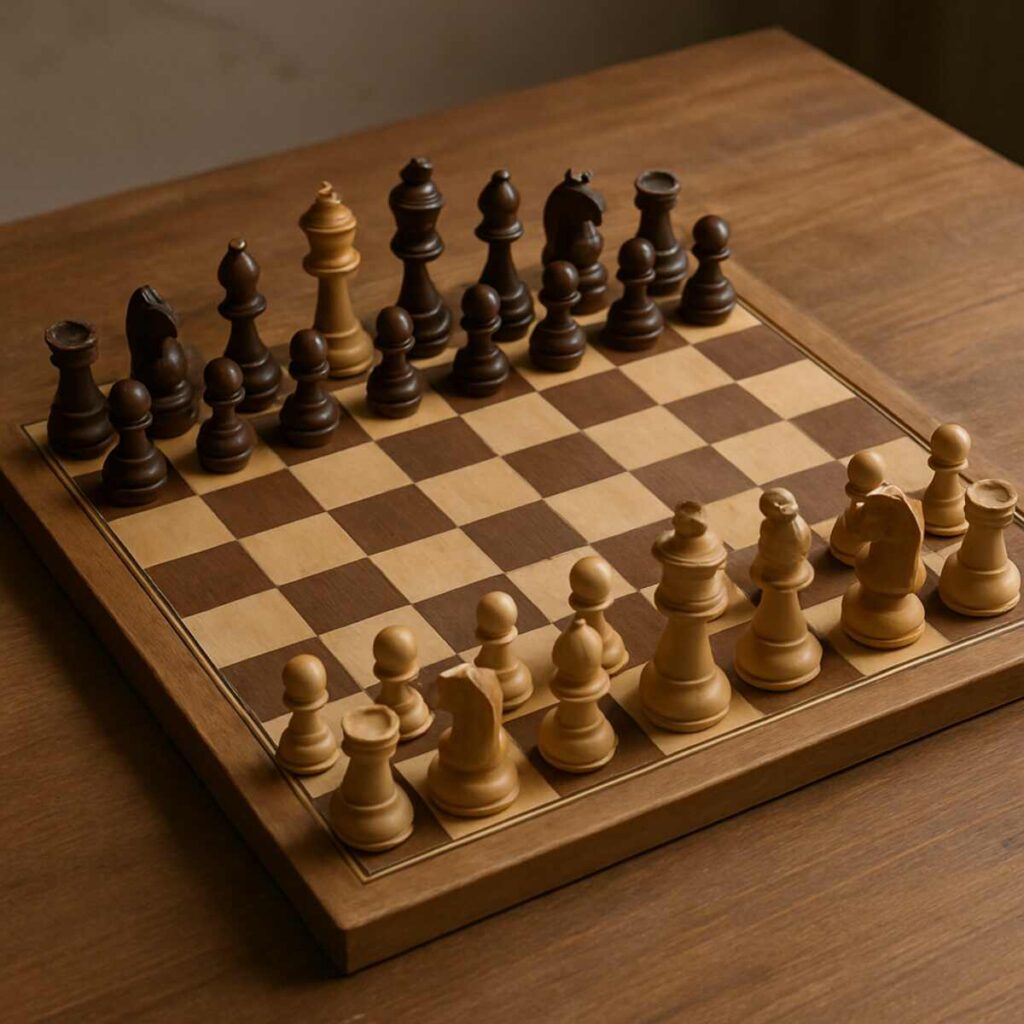
Wooden games have endured across generations, offering a tactile satisfaction and aesthetic appeal that modern plastic counterparts often lack. They evoke a sense of nostalgia while promoting strategic thinking and cooperative play. In this article, we explore the top 10 wooden games perfect for family fun, focusing on their unique characteristics and the benefits they bring to both young and mature players. Check out daftar gg189 to know more
Wooden games transcend mere entertainment; they embody a tradition of craftsmanship and provide a tangible connection to history and culture. The natural textures and warmth of wood engage players in a sensory experience that enhances cognitive and emotional development. From traditional board games to intricate puzzles, wooden games challenge the mind and foster interpersonal connections.
Craftsmanship and Tradition
The craftsmanship involved in creating wooden games is often a work of art. Each piece is carefully carved, polished, and assembled to create a product that is not only functional but also aesthetically pleasing. This attention to detail reflects a commitment to quality and tradition that spans cultures and generations. The process of making wooden games often involves skilled artisans who use techniques passed down through generations, thereby preserving cultural heritage.
Sensory Experience
The tactile nature of wooden games provides an engaging sensory experience. The weight, texture, and even the smell of wood can make gameplay more immersive. This sensory engagement is not only enjoyable but also beneficial for cognitive development. Engaging multiple senses during play helps reinforce learning and memory, making wooden games a valuable educational tool.
Connection to History
Playing wooden games is like taking a step back in time. Many wooden games have origins that date back centuries, offering players a connection to historical traditions and practices. This connection to history can enhance the gaming experience, providing a deeper appreciation for the game’s origins and the cultures that have played them throughout time.
Benefits of Playing Wooden Games
Playing wooden games offers several advantages. The tactile nature of wood stimulates the senses, enhancing fine motor skills and hand-eye coordination. Moreover, wooden games encourage critical thinking and problem-solving, as players navigate strategies and solutions. Socially, these games promote communication and teamwork, as family members collaborate to achieve common goals.
Enhancement of Fine Motor Skills
Wooden games often require precise movements, which can help improve fine motor skills. The need to carefully manipulate pieces or perform delicate movements, such as removing a block in Jenga, can enhance hand-eye coordination and dexterity. These skills are crucial for children as they develop, but they also remain important for adults in maintaining dexterity and coordination.
Development of Critical Thinking
Many wooden games are strategy-based, requiring players to think several steps ahead. Games like chess and Nine Men’s Morris challenge players to anticipate their opponent’s moves and develop strategies to counter them. This kind of critical thinking and problem-solving is a valuable skill that extends beyond the gaming table, helping players in academic and professional settings.
Promotion of Social Interaction
Wooden games are often designed for multiple players, making them perfect for social gatherings. They encourage communication, teamwork, and sometimes friendly competition. Playing these games as a family can strengthen bonds, improve communication skills, and create a shared sense of achievement when goals are met or challenges are overcome.
A Closer Look at the Top 10 Wooden Games
1. Chess
Chess is the quintessential strategy game, with its origins tracing back over a millennium. A wooden chess set adds an element of elegance and tradition to this cerebral contest. Players develop critical thinking and foresight as they anticipate opponents’ moves and strategize their own.
Historical Significance
Chess has a rich history, originating from ancient India and spreading through Persia to the rest of the world. Each culture has added its own unique twist to the game, making it a fascinating study of historical evolution. Understanding the origins of chess can add an extra layer of depth to your gameplay, making each move feel like a part of a grand historical narrative.
Cognitive Benefits
Playing chess improves concentration and enhances memory. The game requires players to remember complex strategies and sequences of moves, which can help improve cognitive function. Regular chess play has been linked to better problem-solving skills and increased creativity, making it more than just a game—it’s a tool for mental development.
Social and Emotional Growth
Chess teaches important life skills, such as patience, discipline, and strategic thinking. It also encourages sportsmanship, as players must learn to win gracefully and lose with dignity. These social and emotional skills are transferable to real-world situations, helping players navigate both personal and professional interactions more effectively.
2. Jenga
Jenga is a classic wooden block-stacking game that requires steady hands and strategic planning. The objective is to remove blocks from a tower and place them on top without causing a collapse. Jenga enhances spatial awareness and problem-solving skills, making it an exciting challenge for all ages.
Physical and Mental Dexterity
Jenga requires a combination of physical and mental skills. Players must carefully analyze the structure of the tower and determine which blocks can be safely removed. This process enhances spatial awareness and encourages players to think critically about balance and stability, sharpening both their physical and mental dexterity.
Fun for All Ages
One of the great things about Jenga is its accessibility. The rules are simple, making it easy for players of all ages to understand and enjoy. This makes Jenga a perfect family game, as it can be enjoyed by children and adults alike, providing a common ground for family bonding and interaction.
Building Tension and Excitement
Jenga is a game that builds tension and excitement with each turn. As the tower grows taller and more unstable, players must carefully assess each move, adding a thrill to the game. This sense of excitement keeps players engaged and invested, ensuring that each game of Jenga is a memorable experience.
3. Backgammon
Backgammon is one of the oldest known board games, combining elements of luck and strategy. A wooden backgammon board offers a tactile experience that enhances gameplay. Players must calculate risks and make strategic moves, fostering decision-making skills and patience.
Historical Origins
Backgammon has a history that spans thousands of years, with origins in ancient Mesopotamia. Over time, the game has evolved, incorporating elements from various cultures. This rich history makes playing backgammon a journey through time, connecting players with ancient traditions and customs.
Strategic Depth
Despite its simple rules, backgammon offers a deep level of strategy. Players must balance the risks and rewards of each move, considering both their own position and their opponent’s potential moves. This strategic depth makes backgammon a challenging and rewarding game that can keep players engaged for hours.
Social Interaction
Backgammon is often played in social settings, encouraging interaction and conversation between players. The game’s combination of strategy and luck makes for engaging gameplay that can lead to lively discussions and debates. This social aspect of backgammon makes it a great choice for family gatherings and social events.
4. Carrom
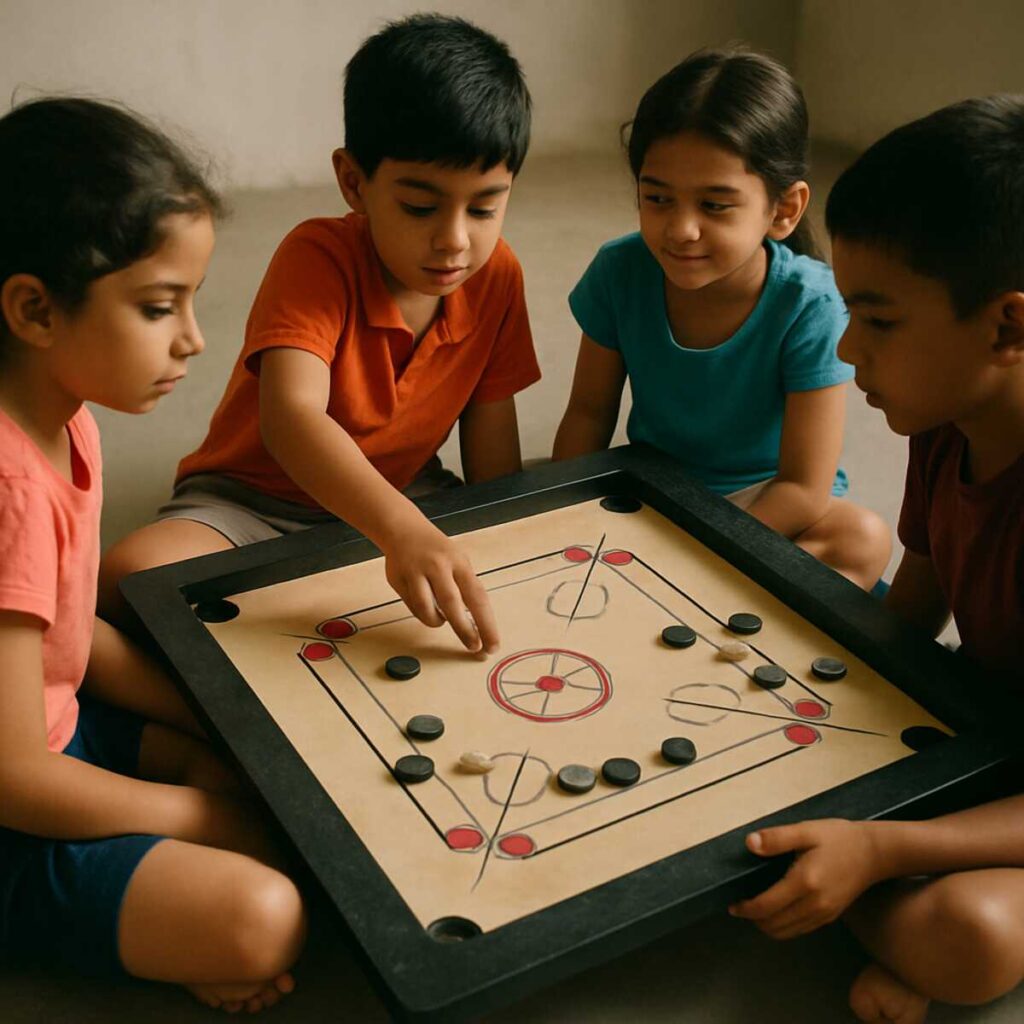
Carrom is a popular tabletop game in many cultures, akin to pool but played on a wooden board with disks. The game requires precision and strategy as players flick their pieces into pockets, aiming to outmaneuver their opponents. Carrom is excellent for developing dexterity and competitive spirit.
Cultural Significance
Carrom is deeply rooted in the cultures of South Asia and the Middle East, where it is often played in homes and community centers. The game is a cultural staple, bringing people together for friendly competition and social interaction. Understanding the cultural significance of carrom can deepen your appreciation for the game and its role in fostering community ties.
Skill Development
Carrom requires a combination of precision and strategy, making it a great tool for developing hand-eye coordination and strategic thinking. Players must carefully aim and flick their pieces, requiring precise control and focus. This skill development can be beneficial for players of all ages, improving both physical dexterity and mental acuity.
Competitive Fun
Carrom offers a competitive edge that can be both fun and challenging. Players must constantly adapt their strategies to outmaneuver their opponents, creating an engaging and dynamic gaming experience. This competitive aspect makes carrom an exciting choice for families and groups looking for a game that offers both fun and challenge.
5. Mancala
Mancala is an ancient game with various versions played worldwide. The wooden board, often featuring carved pits, hosts a game of strategy and counting. Players move stones or seeds around the board, aiming to capture the most pieces. Mancala develops counting skills and strategic thinking, making it both educational and entertaining.
Global Variations
Mancala is played in many different forms across the globe, each with its own unique rules and strategies. This diversity makes mancala a fascinating game to explore, as players can learn about different cultures and their approaches to the game. Trying different variations of mancala can provide a deeper understanding of the game’s global appeal and versatility.
Educational Value
Mancala is an excellent game for teaching mathematical concepts and strategic thinking. Players must count stones and calculate moves, developing arithmetic skills and logical reasoning. This educational aspect makes mancala a valuable tool for parents and educators looking to enhance children’s learning through play.
Strategic Planning
The simplicity of mancala’s rules belies its strategic depth. Players must carefully plan their moves, considering both their own position and their opponent’s potential responses. This strategic planning encourages critical thinking and problem-solving, making mancala a mentally stimulating and rewarding game.
6. Dominoes
Wooden dominoes offer a tactile twist on this classic game of matching tiles. Players must match numbers and create chains, developing pattern recognition and arithmetic skills. The wooden pieces add a satisfying weight and texture to the game, enhancing the overall experience.
Historical Roots
Dominoes have a rich history, originating in China before spreading to Europe and beyond. The game’s evolution over centuries has led to the development of numerous variations and playing styles. Understanding the historical roots of dominoes can add depth to your gameplay, connecting you with a long tradition of strategic gaming.
Cognitive Benefits
Playing dominoes can improve cognitive skills such as pattern recognition and arithmetic. The game requires players to quickly identify matching tiles and calculate potential moves, enhancing mental agility and problem-solving abilities. These cognitive benefits make dominoes a valuable addition to any family game collection.
Social Engagement
Dominoes is often played in groups, making it a great choice for social gatherings. The game’s simple rules and engaging gameplay encourage interaction and conversation, fostering a sense of community and camaraderie. This social aspect of dominoes makes it a popular choice for family game nights and social events.
7. Labyrinth
Labyrinth is a wooden puzzle game that challenges players to navigate a small ball through a maze without falling into holes. This game enhances hand-eye coordination, patience, and problem-solving skills. The wooden construction adds durability and a classic appeal to this engaging challenge.
Puzzle Solving
Labyrinth is a game that requires players to think critically and solve puzzles. Navigating the ball through the maze involves careful planning and precision, challenging players to think creatively and strategically. This puzzle-solving aspect makes labyrinth a mentally stimulating and rewarding game.
Physical Coordination
The game of labyrinth requires precise control and coordination, as players must carefully tilt the board to guide the ball. This physical challenge enhances hand-eye coordination and fine motor skills, making labyrinth a valuable tool for improving physical dexterity and control.
Timeless Appeal
The wooden construction of labyrinth adds a timeless appeal to the game, making it a classic choice for players of all ages. The game’s simple yet challenging gameplay ensures that it remains engaging and enjoyable, providing hours of entertainment and mental stimulation.
8. Shut the Box
Shut the Box is a traditional pub game that combines dice rolling with strategic number elimination. The wooden game box features numbered tiles that players close based on dice rolls. The objective is to “shut the box” by closing all tiles, promoting arithmetic skills and strategic planning.
Historical Background
Shut the Box has a long history, originating in the pubs of 18th-century England. The game was popular among sailors and soldiers, who enjoyed its simple yet strategic gameplay. Understanding the historical background of Shut the Box can enhance your appreciation for the game and its enduring appeal.
Educational Value
Shut the Box is an excellent game for teaching arithmetic and strategic thinking. Players must calculate the best way to use their dice rolls to close tiles, enhancing their mathematical skills and logical reasoning. This educational value makes Shut the Box a valuable addition to any family game collection.
Engaging Gameplay
The combination of luck and strategy makes Shut the Box an engaging and dynamic game. Players must constantly adapt their strategies to make the most of their dice rolls, creating a thrilling and unpredictable gaming experience. This engaging gameplay ensures that Shut the Box remains a favorite choice for family game nights.
9. Nine Men’s Morris
Nine Men’s Morris is an ancient strategy board game with a rich history. The wooden board hosts a battle of wits, where players aim to form ‘mills’ by lining up three of their pieces. This game enhances strategic thinking and planning, offering an intellectually stimulating experience.
Historical Significance
Nine Men’s Morris has been played for centuries, with evidence of the game dating back to ancient Rome. The game’s longevity and widespread popularity make it a fascinating study of historical gaming traditions. Understanding the historical significance of Nine Men’s Morris can deepen your appreciation for the game and its enduring appeal.
Strategic Depth
Despite its simple rules, Nine Men’s Morris offers a deep level of strategy. Players must carefully plan their moves to form mills and block their opponents, creating an engaging and challenging gaming experience. This strategic depth makes Nine Men’s Morris a rewarding choice for players seeking a mentally stimulating game.
Social Interaction
Nine Men’s Morris is often played in social settings, encouraging interaction and conversation between players. The game’s combination of strategy and competition makes for engaging gameplay that can lead to lively discussions and debates. This social aspect of Nine Men’s Morris makes it a great choice for family gatherings and social events.
10. Chinese Checkers
Chinese Checkers is a variant of Halma, played on a star-shaped wooden board. The objective is to move all pieces into the opposing corner, using strategic jumping and blocking moves. This game fosters teamwork and strategic planning, making it a family favorite.
Historical Roots
Chinese Checkers, despite its name, originated in Germany as a variation of Halma. The game’s star-shaped board and unique gameplay make it a distinctive addition to the world of strategy games. Understanding the historical roots of Chinese Checkers can add depth to your gameplay and enhance your appreciation for the game’s unique design.
Teamwork and Strategy
Chinese Checkers encourages players to work together and develop strategic plans to move their pieces across the board. This emphasis on teamwork and strategy makes the game a valuable tool for enhancing social skills and critical thinking. The game’s collaborative nature fosters a sense of camaraderie and shared achievement among players.
Engaging and Accessible
Chinese Checkers is an engaging and accessible game that can be enjoyed by players of all ages. The game’s simple rules and strategic depth make it a perfect choice for family game nights, providing hours of entertainment and mental stimulation. This accessibility ensures that Chinese Checkers remains a popular choice for players seeking a fun and challenging game.
Choosing the Right Wooden Game for Your Family
When selecting a wooden game, consider the ages and interests of your family members. Some games, like chess and backgammon, offer deep strategic challenges suited for older children and adults. Others, like Jenga and Shut the Box, provide accessible fun for younger players while still engaging older participants.
Factors to Consider
- Age Appropriateness: Ensure the game is suitable for the age range of players. Younger children may benefit from games that focus on basic skills, while older players may prefer more complex strategy games.
- Skill Development: Choose games that align with skills you wish to develop, such as strategic thinking or fine motor skills. Consider the specific skills each game promotes and select those that align with your family’s interests and goals.
- Durability: Opt for high-quality wooden games that will withstand repeated play. Look for games made from durable materials and constructed with attention to detail, ensuring they can be enjoyed for years to come.
- Aesthetic Appeal: Select games with a design that complements your home and invites play. Consider the visual appeal of each game and how it will fit into your family’s environment, creating a welcoming and engaging atmosphere for play.
Conclusion
Wooden games offer a timeless blend of fun, education, and craftsmanship. Their enduring appeal lies not only in their aesthetic beauty but also in their ability to foster mental acuity and social interaction. By incorporating these top 10 wooden games into your family gatherings, you can create lasting memories while developing valuable skills in players of all ages.
Embrace the tactile joy and strategic challenge of wooden games, and watch as your family bonds over these time-honored classics. Whether you’re strategizing your next move in chess or delicately removing a Jenga block, these games promise endless hours of entertainment and growth. By choosing the right wooden games for your family, you can ensure that each game night is filled with laughter, learning, and connection.